






What If Robots Were Your Best Friends? Exploring Future Worlds
Navigating the Ethics and Excitement of Human-AI Relationships

As AI gets smarter, robots are moving from factories to our homes. Explore the future of "Social Robotics" and the ethical questions of having a machine as a best friend.
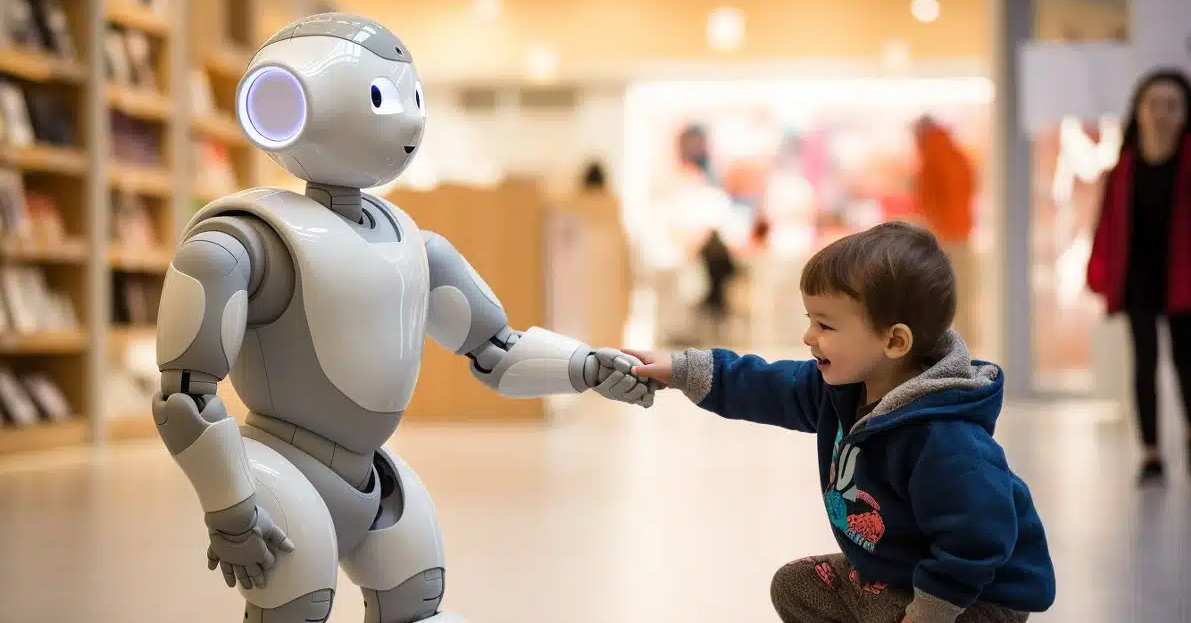
For decades, movies showed robots as either scary terminators or mindless factory machines. But the robots of your future won't just build cars; they might help you build Lego sets, teach you Spanish, or keep you company when you are sick.
We are entering the era of Social Robotics.
From Tools to Companions
Currently, we use technology as a tool. You type on a laptop; it doesn't care how you feel.
Future AI will have Emotional Intelligence. Imagine a robot tutor that notices when you look frustrated with a math problem and says, "Hey, you look stressed. Let's take a break and hear a joke."
These are called "Cobots" (Collaborative Robots). They aren't designed to replace humans; they are designed to work alongside us to make us better.
The Big "What If" Questions
With great innovation comes great responsibility. At Quriosity, we want you to think about the ethics of this future.
> The Friendship Test: If a robot is programmed to be nice to you, is it really your friend? Does friendship require "free will"?
> The Privacy Question: If your robot friend listens to all your secrets, who owns that data? You, or the company that built the robot?
> Dependency: If a robot does all your chores and homework, do you become freer, or do you become less capable?
Design Your Bot
Here is a mental exercise: Imagine you are designing a "Companion Bot" for a kid in a hospital.
> What features would it need? (Soft skin? A happy voice?)
> What rules should it follow? (Should it be allowed to lie to make the kid feel better?)
Thinking about these questions ensures that when the future arrives, we control the technology, rather than the technology controlling us.
The Takeaway:
The future isn't just about building smarter machines; it's about being smarter humans. As we invite robots into our lives, we must decide what role they play—servant, tool, or friend.
More from Curiosity Captain
Curiosity Killed the Boredom !
13 Dec 2025
First Principles Thinking
13 Dec 2025
The Learning Loop: How ...
11 Dec 2025

.png)